What makes us human?
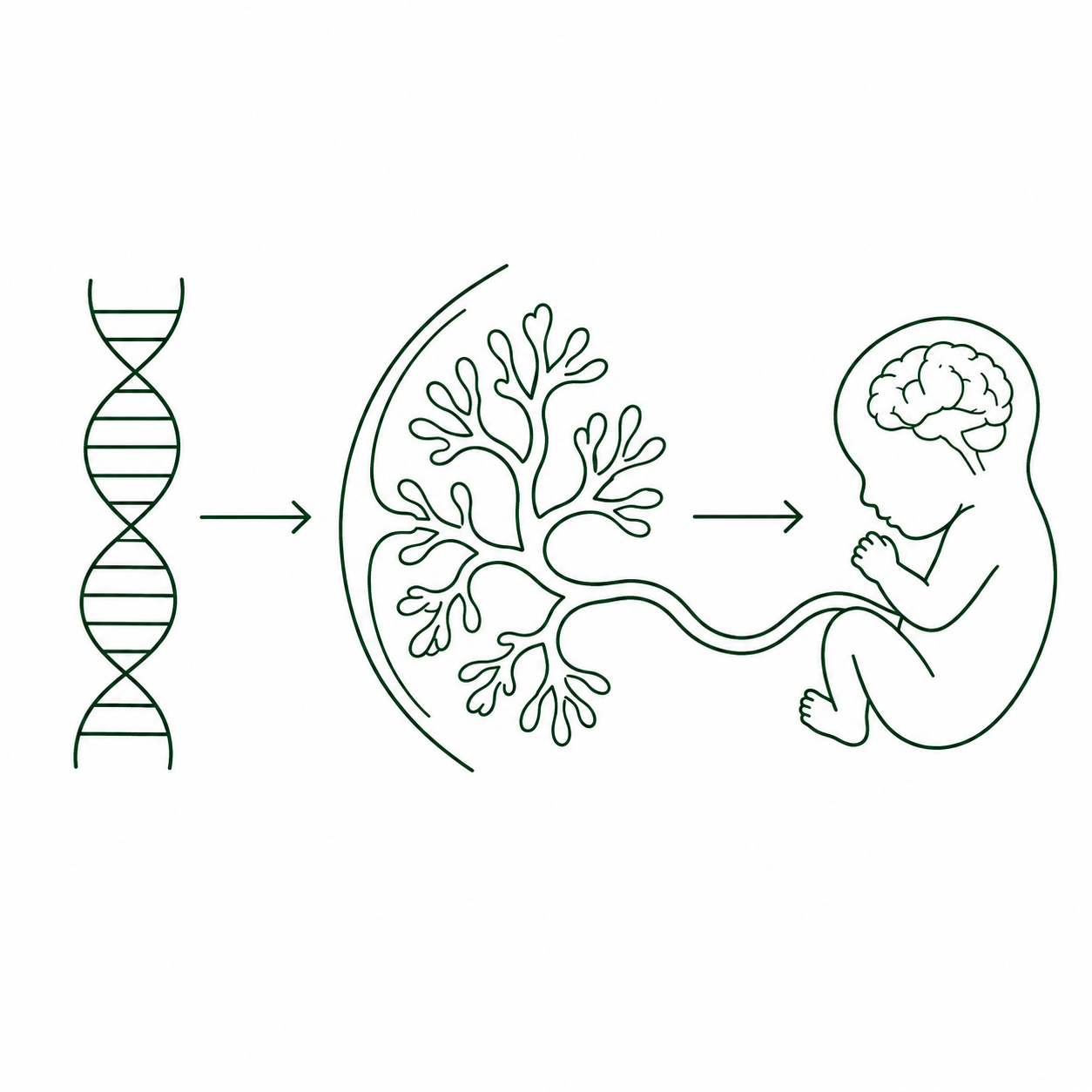
The Carter Lab investigates how evolutionary changes in our DNA gave rise to uniquely human biology. We combine human and ape stem-cell models with comparative genomics, genome editing, and neuroscience to connect evolutionary sequence changes to the functions of the brain and placenta. Our goal is to understand how genome evolution shaped human cognition, reproduction, and disease—and how genetic variation makes each of us unique.
Human evolution: How our genome evolves
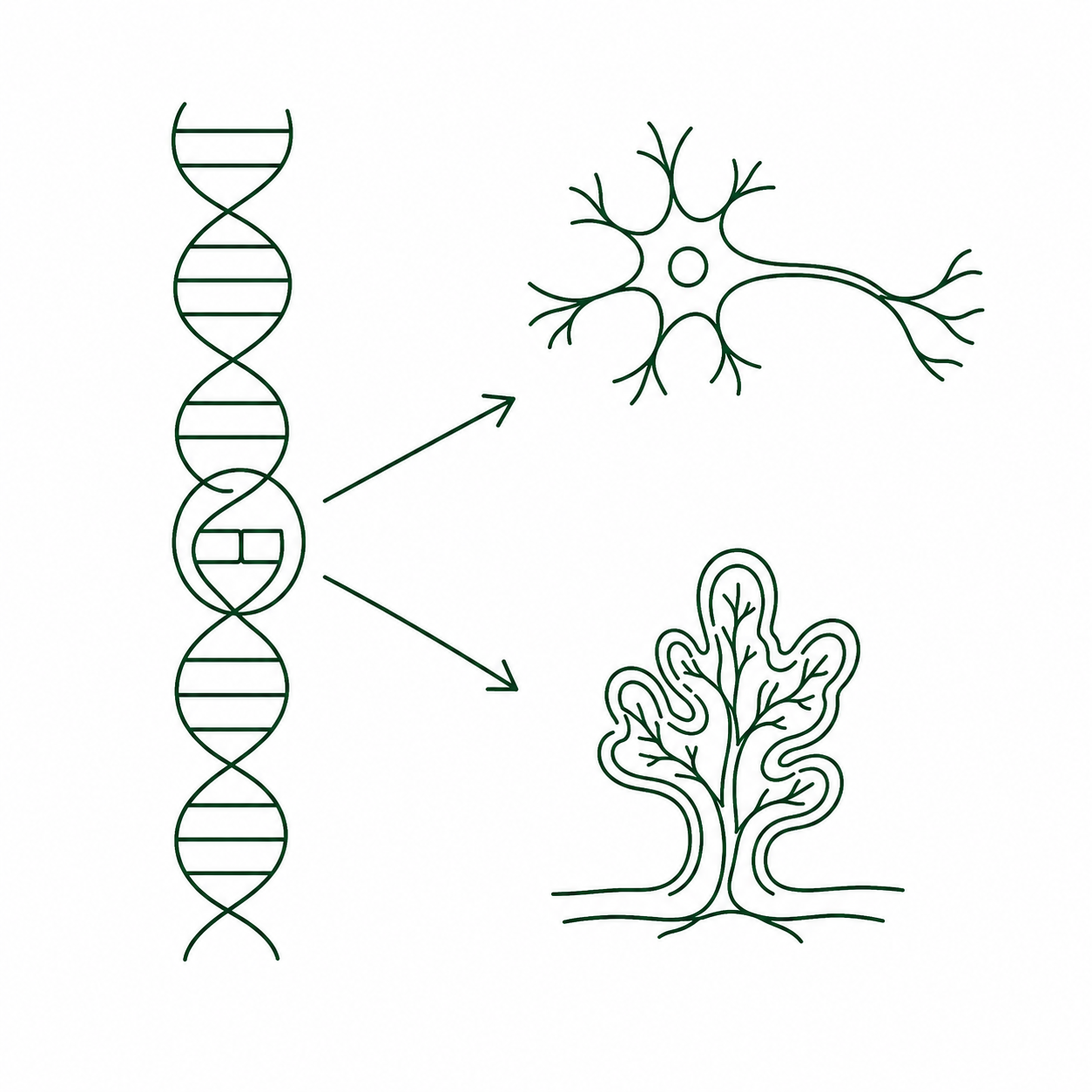
What changes in our DNA made humans different from our closest evolutionary relatives? We compare human and ape cells to identify the specific sequence changes that altered gene regulation during human evolution. By following these changes from DNA to gene expression to cellular function, we aim to discover not only where evolution acted, but how it produced new traits. Projects in this area bring together comparative genomics, epigenomics, and stem-cell biology.
Transposable elements in evolution
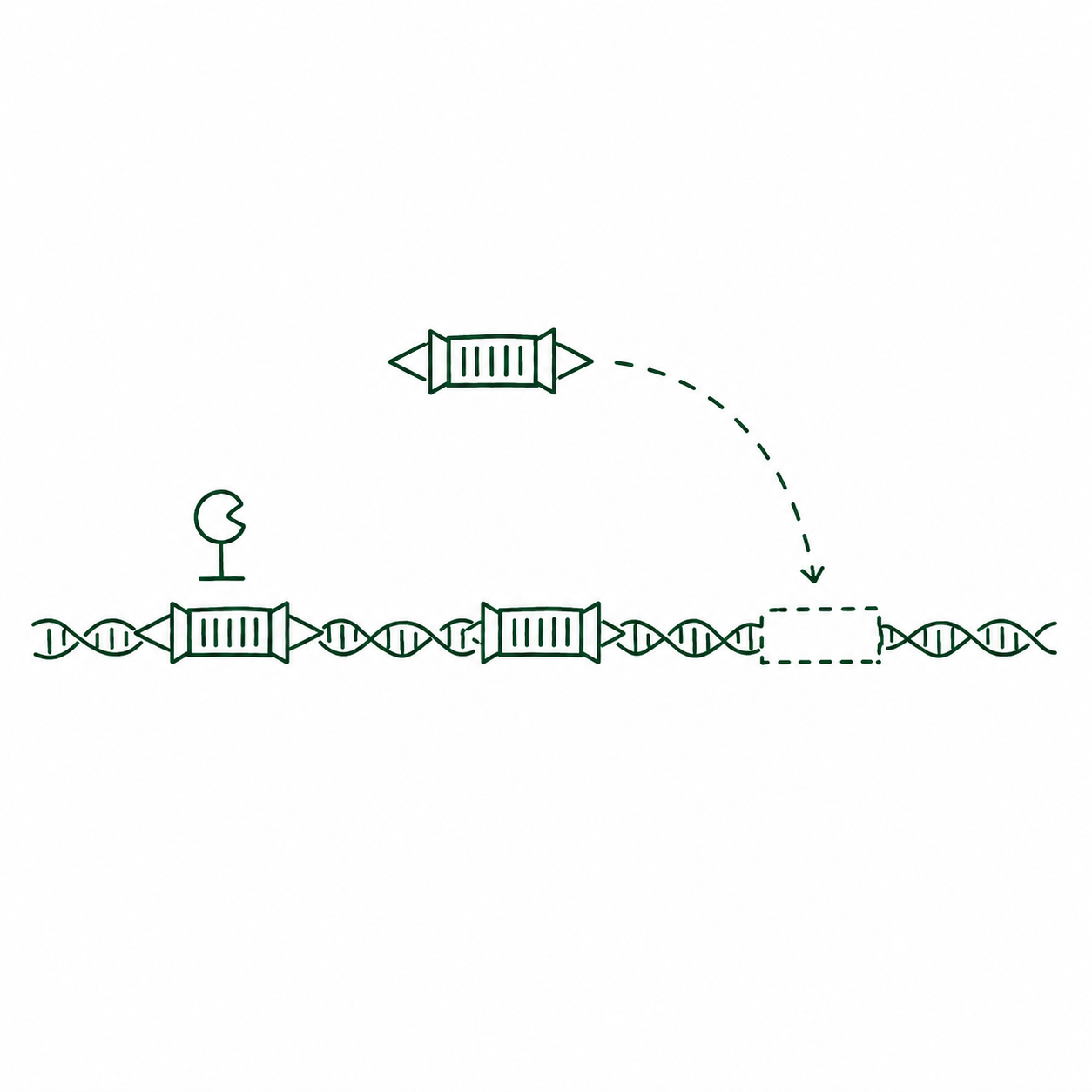
Once dismissed as “junk DNA,” transposable elements are powerful engines of evolutionary innovation. By spreading new regulatory sequences throughout the genome, they can rapidly reshape entire gene networks. We study the evolutionary arms race between transposable elements and the KRAB zinc-finger proteins that control them, asking how this dynamic relationship created new regulatory programs in human neurons. This work explores one of the fastest-evolving—and least understood—parts of our genome.
Activity-dependent signaling in neurons
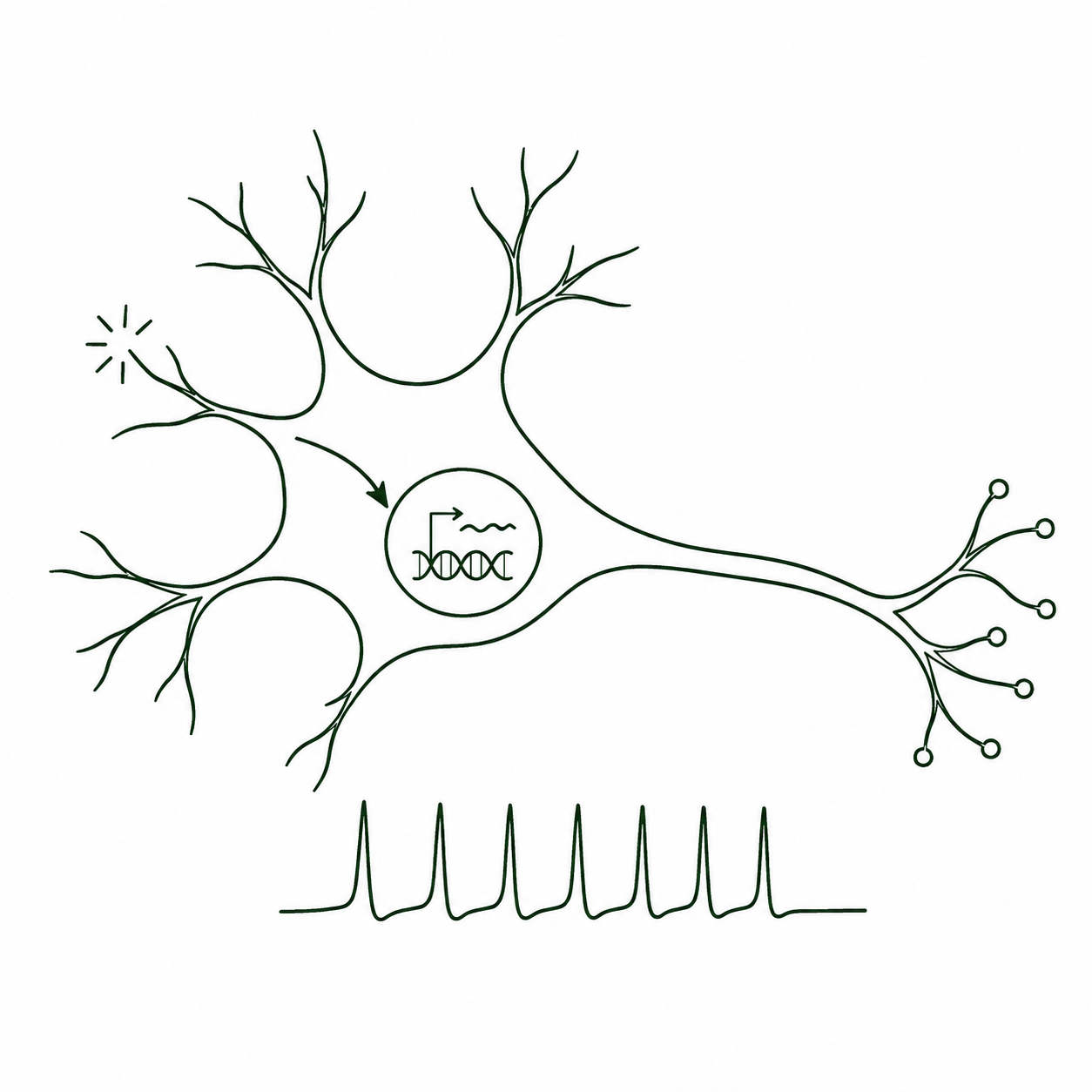
Every experience—from learning a new skill to encountering a changing environment—causes neurons to activate gene-expression programs that reshape their function. We investigate how these activity-dependent programs were rewired during human evolution and how variation within them contributes to cognition and neurological disease. Using human–chimpanzee neurons, population-scale stem-cell models, CRISPR screens, and enhancer editing, we connect evolutionary DNA changes to neuronal firing, dendritic growth, synapse formation, and plasticity.
Evolution in the placenta
The evolution of the large, slowly developing human brain required equally remarkable changes in the placenta. Yet we still know surprisingly little about how placental gene regulation differs between humans and other primates. We use human and chimpanzee placental organoids, single-cell multiomics, and functional genomics to build a comparative roadmap of placental evolution.